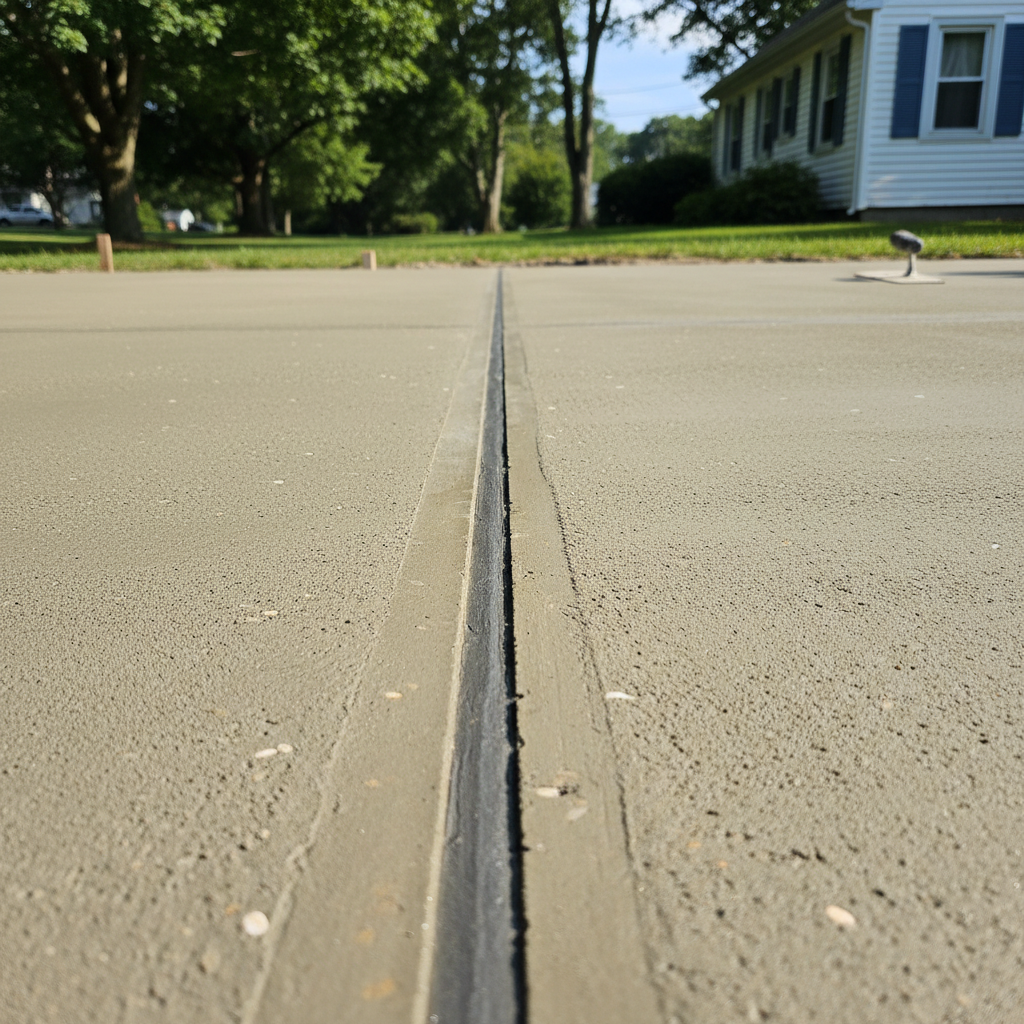
My concrete driveway has cracks. Do I need to replace the whole thing?
Not necessarily. Honestly, this is probably the most common question I get, and it's a good one because nobody wants to rip out a whole driveway if they don't have to. It really just depends on what kind of cracks you've got and how bad they are. Hairline cracks? Those are often just cosmetic, you know, and we can usually seal them up to keep water out. If your cracks are wider, though—say, a quarter-inch or more—or if the concrete pieces are starting to heave and shift, then we're looking at something more serious. We might be able to do a targeted repair, like using a specialized epoxy or a concrete patch, especially if it's just one section. But if the cracks are spiderwebbing all over, or if the base layer underneath has failed and sections are really sinking, then yeah, replacement might be the more cost-effective and long-lasting solution. I always tell folks it's better to get an experienced eye on it before you decide. Sometimes a small repair now saves you a much bigger headache later.
What causes concrete to crack or sink in the first place?
Oh, there are a whole bunch of reasons, and often it's a mix of a few things. Here in West Greenwich, we see a lot of issues related to our freeze-thaw cycles. Water gets into tiny cracks, freezes, expands, and then thaws, leaving bigger cracks behind. It's a relentless process. Poor drainage is another big culprit; water pooling near a slab can erode the soil underneath, leading to settlement and sinking. Then you've got soil conditions – some areas, especially where there's a lot of clay, can expand and contract with moisture changes, putting stress on the concrete. Heavy loads, like parking big vehicles on a residential driveway not built for that, can also cause damage. Sometimes it's just plain old age, or the concrete wasn't poured correctly to begin with – maybe the mix was off, or the base wasn't prepared right. We've seen a lot of older homes around the Big River Management Area where the original concrete work just wasn't up to modern standards for our climate.
Can you really lift sunken concrete, or is that just a temporary fix?
You're probably thinking about concrete leveling, or what we in the trade call 'mudjacking' or 'slabjacking,' though nowadays it's more commonly done with polyurethane foam, which is 'polyjacking.' And yes, it absolutely works, and it's not just a temporary fix when done right. We inject a material – either a cement-based grout (mudjacking) or a high-density polyurethane foam (polyjacking) – under the sunken slab. This material expands, filling voids and gently lifting the concrete back to its original level. It's a fantastic solution for things like uneven sidewalks, patio sections, or even garage floors that have settled. It's less invasive and often much cheaper than tearing out and repouring everything. The key is to address why it sank in the first place, if possible, like improving drainage. If the underlying issue isn't fixed, it could settle again, but the repair itself is durable. We've done plenty of jobs for Allied Concrete & Masonry that have held up for years.
How long does a typical concrete repair last?
That's like asking how long a car lasts – it really depends on a lot of factors! A good quality crack seal on a minor crack might last several years, especially if you keep up with maintenance. A proper patch job on a spalled area, done with the right materials and technique, could easily last 5-10 years, sometimes more. For something like polyjacking, where we're lifting a slab, if you fix the underlying cause of settlement (like poor drainage), that repair can last for decades. The longevity really comes down to the quality of the original concrete, the type of damage, the repair method used, and ongoing maintenance. You can't expect a quick patch on a major structural issue to last forever, but a well-executed repair by a professional can add significant life to your concrete.
Is DIY concrete repair ever a good idea?
For minor stuff, like a tiny hairline crack you want to seal to keep water out? Sure, you can probably handle that with a tube of sealant from the hardware store. But anything beyond that, I'd strongly advise against it. Concrete repair isn't just about slapping some new material on top. It requires understanding the underlying cause of the damage, choosing the right materials for the specific type of concrete and damage, and knowing how to properly prepare the surface and apply the repair. I've seen countless DIY attempts where folks try to patch a spalled surface with regular concrete mix, and it just crumbles out in a year because it wasn't designed for that. Or they try to fill a wide crack, and it doesn't bond, or it just looks terrible. You often end up spending more to have a professional fix the DIY repair than if you'd just called us in the first place. For anything significant, save yourself the headache and call in Allied Concrete & Masonry.
What's the best way to prevent future concrete damage after a repair?
Prevention is huge, and it's often simpler than you think. First off, good drainage is king. Make sure your downspouts are directed away from your concrete slabs and foundation. Check for any areas where water pools after a rain, too. Sealing your concrete regularly – usually every 2-5 years, depending on the sealer and traffic – is also critical. It helps repel water, protects against freeze-thaw damage, and resists staining. Don't overload your concrete; if you've got a shed on a patio, make sure the patio was built to handle that weight. And keep an eye out for small cracks. If you catch them early and seal them, you prevent them from becoming bigger problems down the road. It's like going to the dentist for regular check-ups; a little preventative care goes a long way.