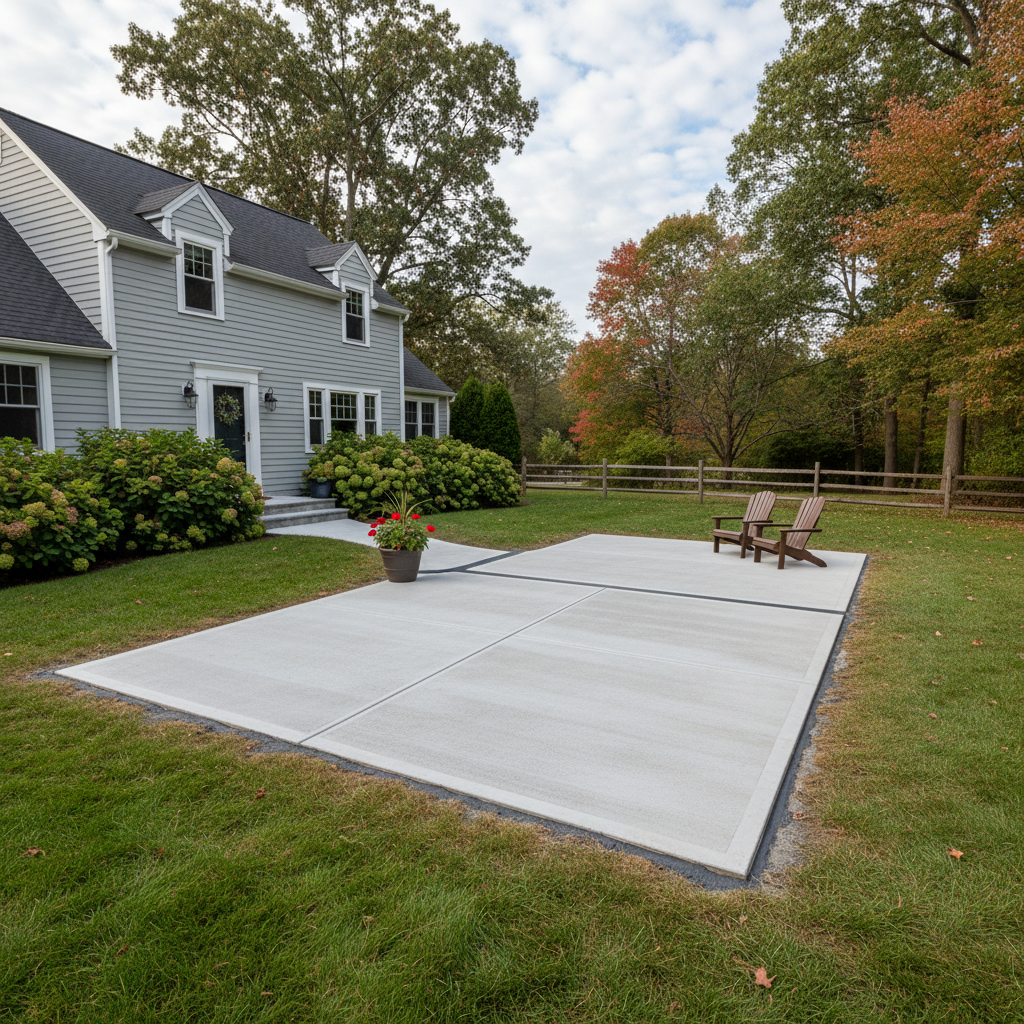
So, you've got a cracked slab, maybe a step that's sinking, or a patio that's just seen better days. It happens, right? Concrete isn't some indestructible material, especially with those brutal New England winters we get and the clay soils we often deal with right here in West Greenwich. So, you figure it's time for a repair. Good for you for deciding to tackle it! But before you jump in, there are some common blunders I see homeowners make all the time that you really need to know about. These aren't just little oopsies; they can actually lead to bigger headaches and, frankly, more money out of your pocket.
Mistake #1: Thinking All Cracks Are Equal (And Can Be Fixed the Same Way)
This is a huge one. Not every crack is just... a crack. Some are pretty superficial, just in the top layer, maybe from drying too fast or minor shrinkage. Others, though, run deep. Those usually point to structural issues, bad sub-base prep, or sometimes even tree roots pushing their way in. I've actually seen people try to patch a structural crack with a caulk gun, and honestly, it's like putting a band-aid on a broken leg. It might look okay for a week, but you're not actually fixing anything. You really need an honest assessment of what's causing the problem. If you're just filling a crack without getting to the root cause, that crack's coming right back, probably wider and even uglier.
Mistake #2: Going for the Cheapest Bid Without Asking Why
Look, I totally get it. Money doesn't exactly grow on trees, especially around here. But when it comes to concrete repair, the cheapest bid is almost never the best value. I'm not saying you need to pay top dollar for everything, but you've got to compare apples to apples, you know? What materials are they planning to use? Are they actually preparing the sub-base properly? Are they licensed and insured? Do they even have a track record? I've seen contractors come in with a ridiculously low price because they're cutting corners on materials, skipping crucial prep work, or they're just not experienced enough to know what they're doing. Trust me, you'll end up paying for it twice. Ask for references, check their reviews, and don't be shy about asking detailed questions about their process.
Mistake #3: Ignoring the Drainage Around the Repair Area
This is absolutely critical, especially in a place like West Greenwich where we get our fair share of rain and snow. Water is concrete's arch-nemesis. If you're repairing a section of concrete, but the surrounding area still directs water right towards it, you're just setting yourself up for failure. Bad drainage can lead to erosion under the slab, freeze-thaw damage, and settlement. We often see this with older homes near the Big River Management Area, where the ground can be a bit softer, for example. When we're doing a repair at Allied Concrete & Masonry, we're always looking at the bigger picture. Is the ground sloping away from the house? Are gutters directing water far enough away? Sometimes, a concrete repair needs to be part of a larger plan to manage water effectively, don't you think?
Mistake #4: Not Understanding the Cure Time (And Walking on it Too Soon)
Concrete isn't like paint; it doesn't just dry. It cures. This is a chemical process that takes time — often weeks — to reach its full strength. I've had homeowners call me up furious because their 'new' concrete is already cracking, only to find out they let their kids ride bikes on it or parked a car on it days before it was actually ready. A good contractor will tell you exactly how long to stay off it, and you really need to listen. Walking on it too soon, or putting heavy weight on it, can mess with its strength and lead to cracks and spalling down the road. Patience, my friend, is a virtue here.
Mistake #5: Trying to DIY a Job That's Beyond Your Skill Level
I'm totally all for DIY projects. For small patching jobs, sure, go for it! But for anything significant – like a large slab, structural repairs, or anything that requires heavy equipment or specific expertise – you're probably better off calling in a pro. Concrete work is physically demanding, requires specific tools, and if you mess it up, it's not exactly easy to undo. You might save a few bucks on labor initially, but if you end up with a wonky, uneven, or quickly failing repair, you'll spend more to have a professional fix your fix. Know your limits. Sometimes, the smart move is just to acknowledge when a job truly needs a specialist.
So, before you start tearing things up or signing on the dotted line, just take a breath. Think about these common mistakes. Ask the right questions. It'll save you a whole lot of grief and ensure your concrete repair lasts as long as it really should.